
Protect Your Smile with Expert Cavity Care
Cavity Treatment in Etobicoke
Stop Tooth Decay Before It Becomes a Bigger Problem
A small cavity can quickly become a bigger problem if left untreated, leading to pain, infection, or more extensive treatment. At Humber Dental, we provide gentle, effective cavity treatment in Etobicoke to remove decay, restore your tooth, and protect your long-term oral health. Early treatment helps keep your smile healthy and often means simpler, more comfortable care.
Gentle, Comfortable Care
Early Decay Detection
Natural-Looking Restorations
Personalized Treatment Plans
What Is a Cavity?
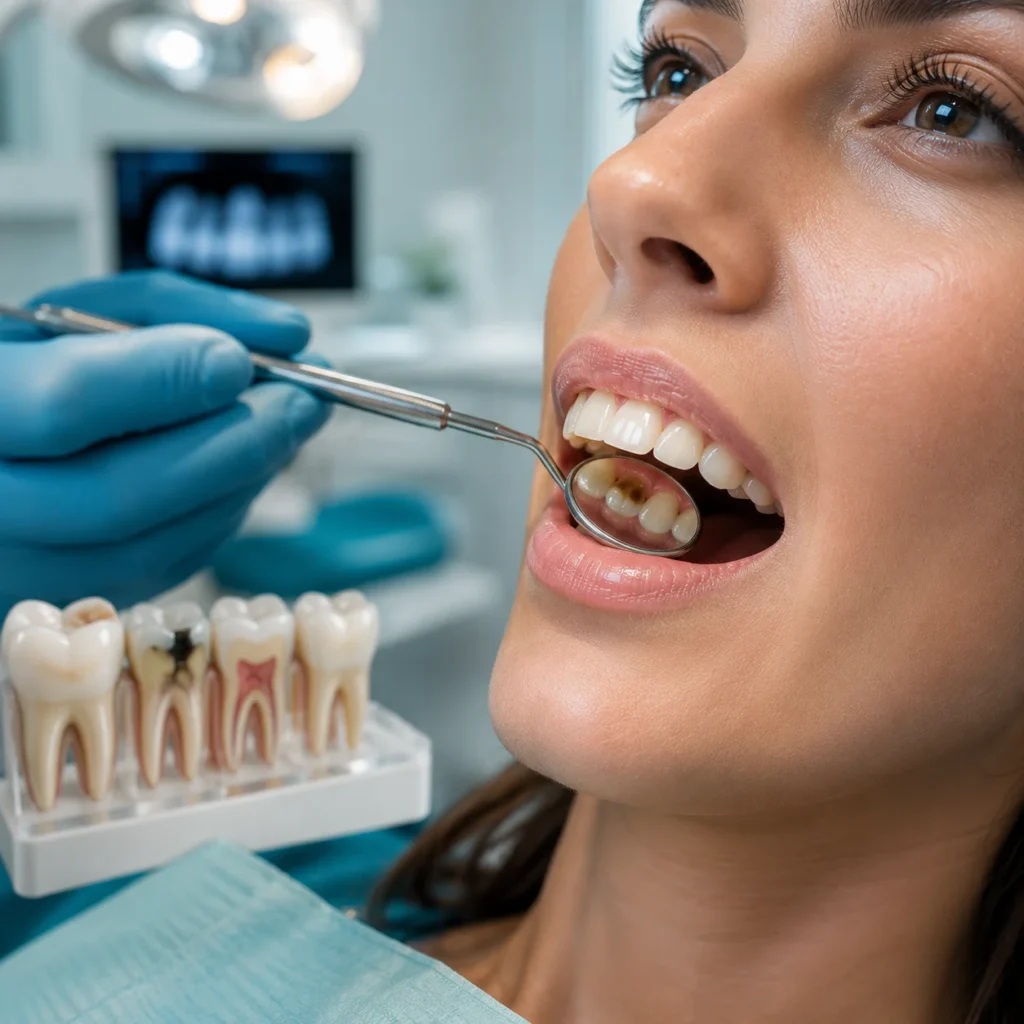
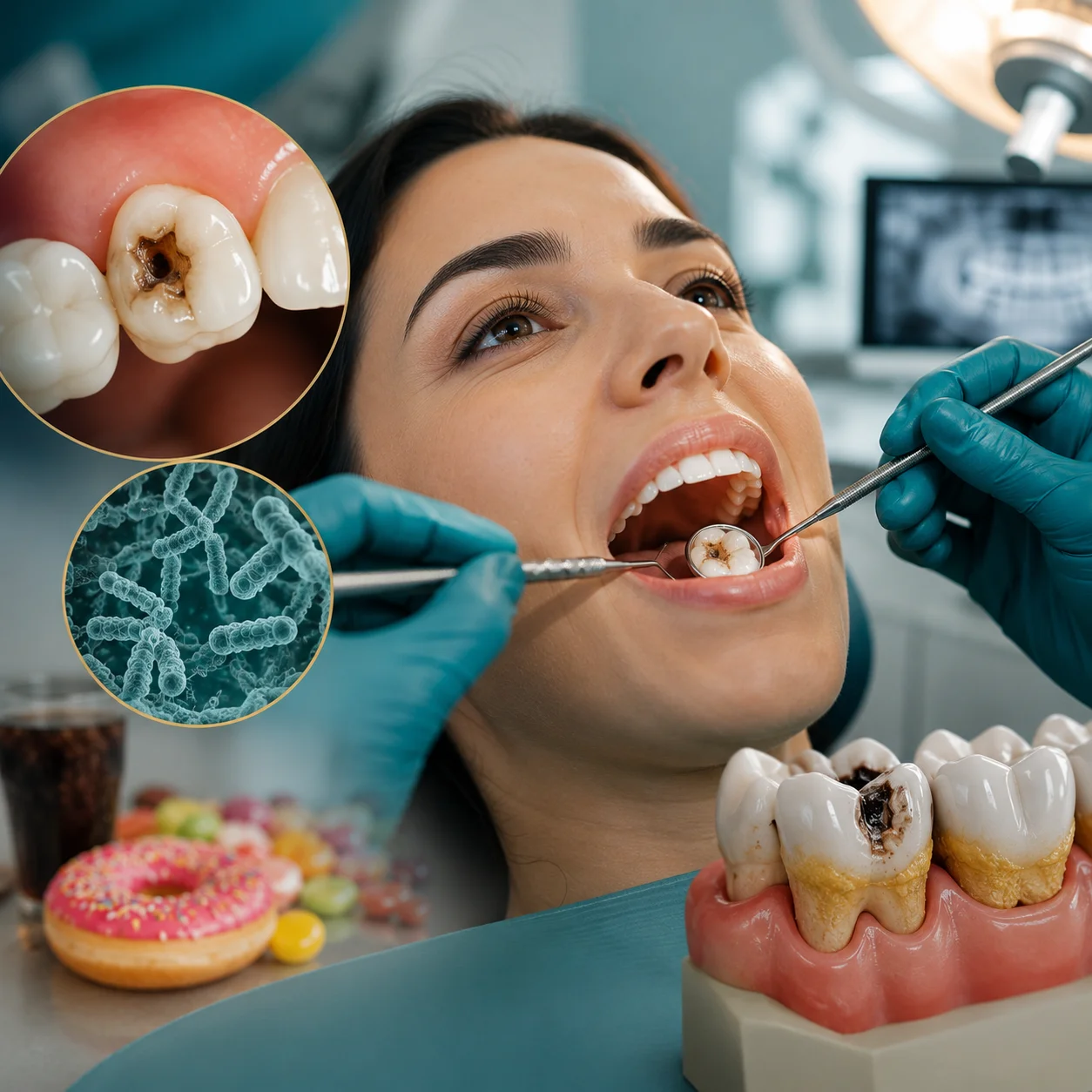
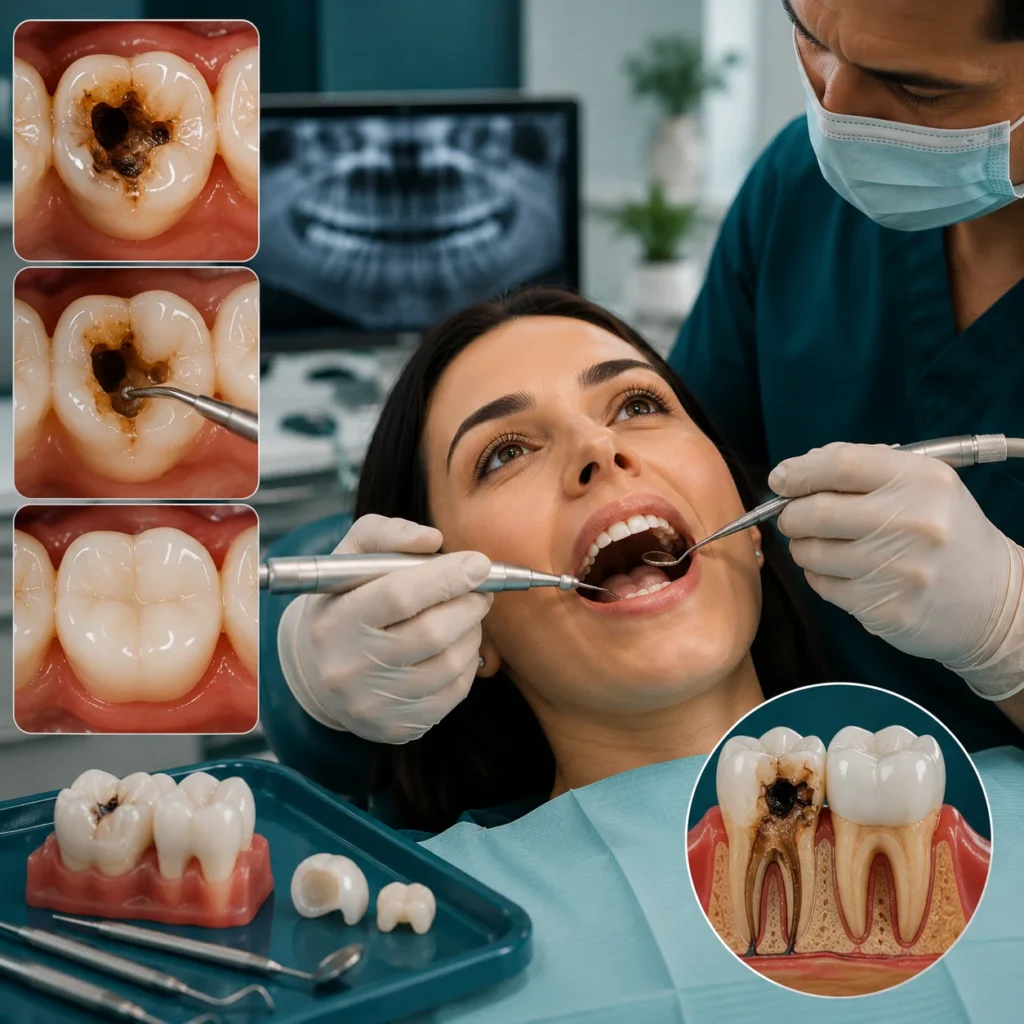
A cavity is a permanently damaged area in the tooth caused by tooth decay.
Throughout the day, bacteria naturally present in the mouth feed on sugars from food and beverages, producing acids that gradually weaken tooth enamel. Over time, these acids can create small holes, or cavities, in the tooth’s surface.
If left untreated, the decay can spread deeper into the tooth, affecting the dentin and pulp, increasing the risk of infection and tooth loss.
Receiving Tooth Decay Treatment in Etobicoke at the earliest signs of decay can help preserve your natural tooth and reduce the need for more extensive dental procedures.
What Causes Tooth Decay?
Several factors can contribute to the development of cavities.
Common causes include:
- Frequent consumption of sugary foods and drinks
- Poor oral hygiene
- Plaque buildup
- Dry mouth
- Inadequate fluoride exposure
- Frequent snacking
- Existing cracks or worn areas on teeth
Even patients who brush regularly can develop cavities, which is why routine dental examinations remain an essential part of preventive care.
Signs You May Have a Cavity
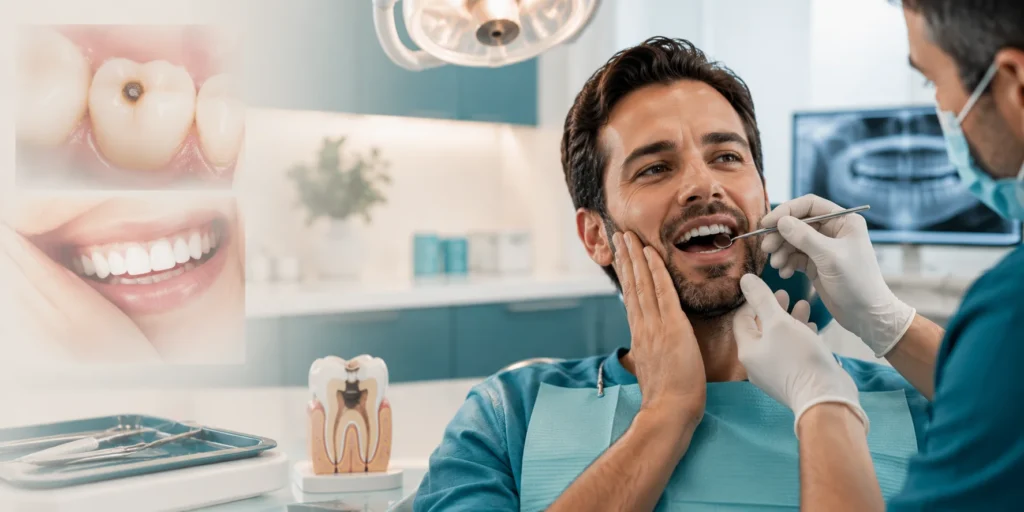
Not every cavity causes pain in its early stages. Many patients are surprised to learn they have tooth decay during a routine dental examination.
Common symptoms include:
- Tooth sensitivity
- Pain when eating sweets
- Discomfort when drinking hot or cold beverages
- Visible holes or dark spots on a tooth
- Food frequently getting trapped
- Persistent toothache
- Pain while chewing
If you notice any of these symptoms, scheduling Tooth Cavity Treatment in Etobicoke promptly may help prevent the decay from progressing.
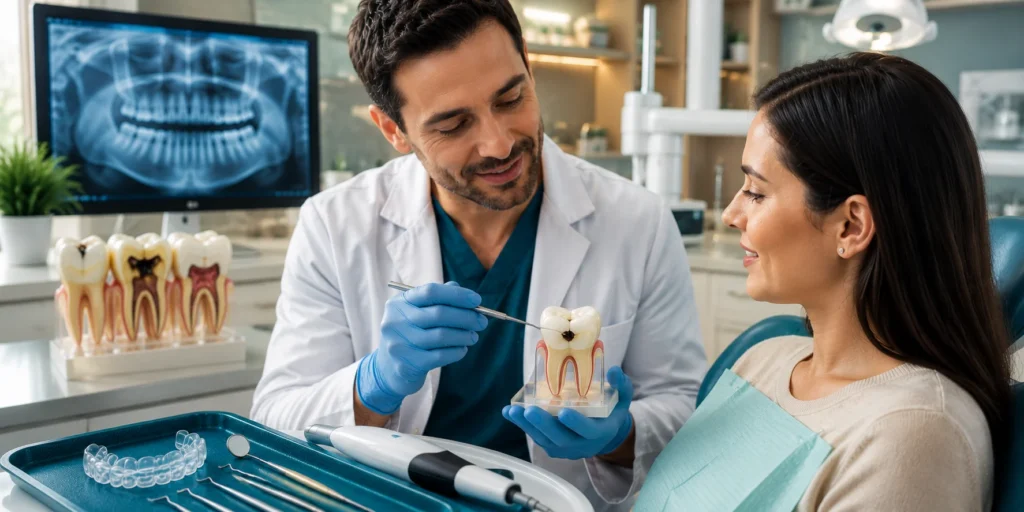
Why Early Cavity Treatment Matters
Some signs are easy to overlook.
Treating cavities early helps preserve more of your natural tooth structure and often results in less complex treatment.
Prompt care may help:
- Prevent the cavity from becoming larger
- Reduce the risk of infection
- Avoid root canal treatment
- Preserve tooth strength
- Maintain comfortable chewing
- Reduce future treatment costs
Delaying treatment allows bacteria to continue damaging the tooth, making more extensive procedures necessary.
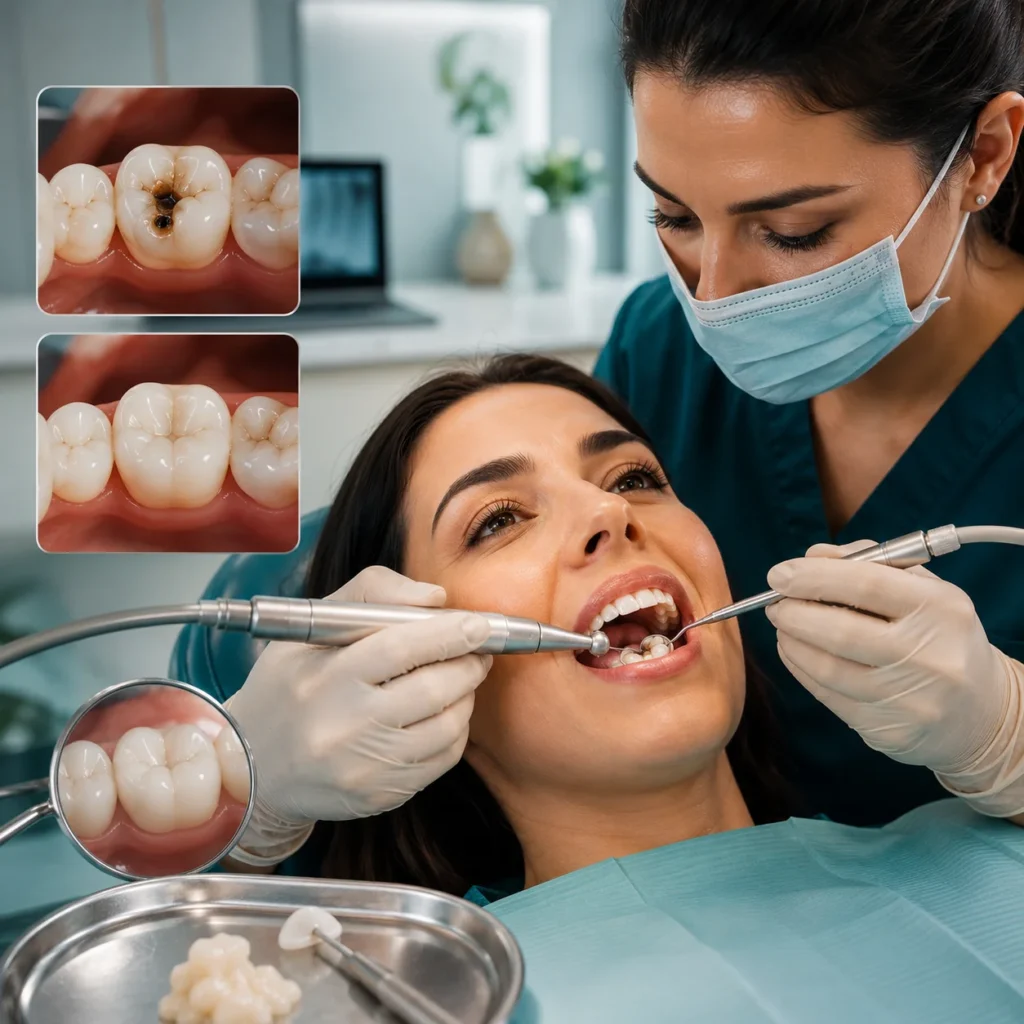
How Is a Cavity Treated?
The appropriate treatment depends on how far the decay has progressed.
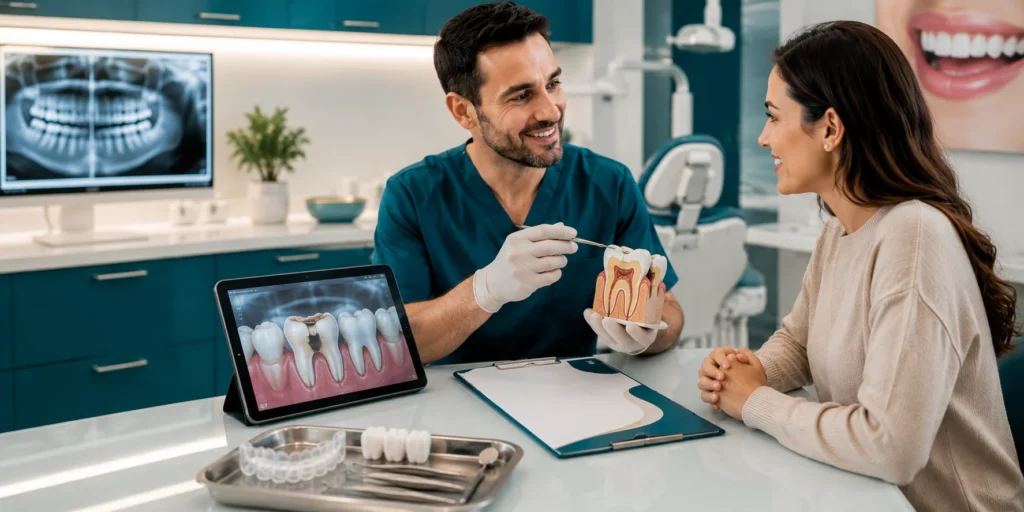
During your visit, your dentist will examine the affected tooth and may recommend X-rays to determine the extent of the cavity.
Treatment may include:
- Removing the decayed portion of the tooth
- Cleaning the affected area
- Restoring the tooth with a durable filling
- Polishing the restoration for a natural appearance
If decay has reached the inner pulp of the tooth, additional treatment such as root canal therapy may be recommended to preserve the tooth.
Our goal is always to preserve as much healthy tooth structure as possible while restoring strength and function.
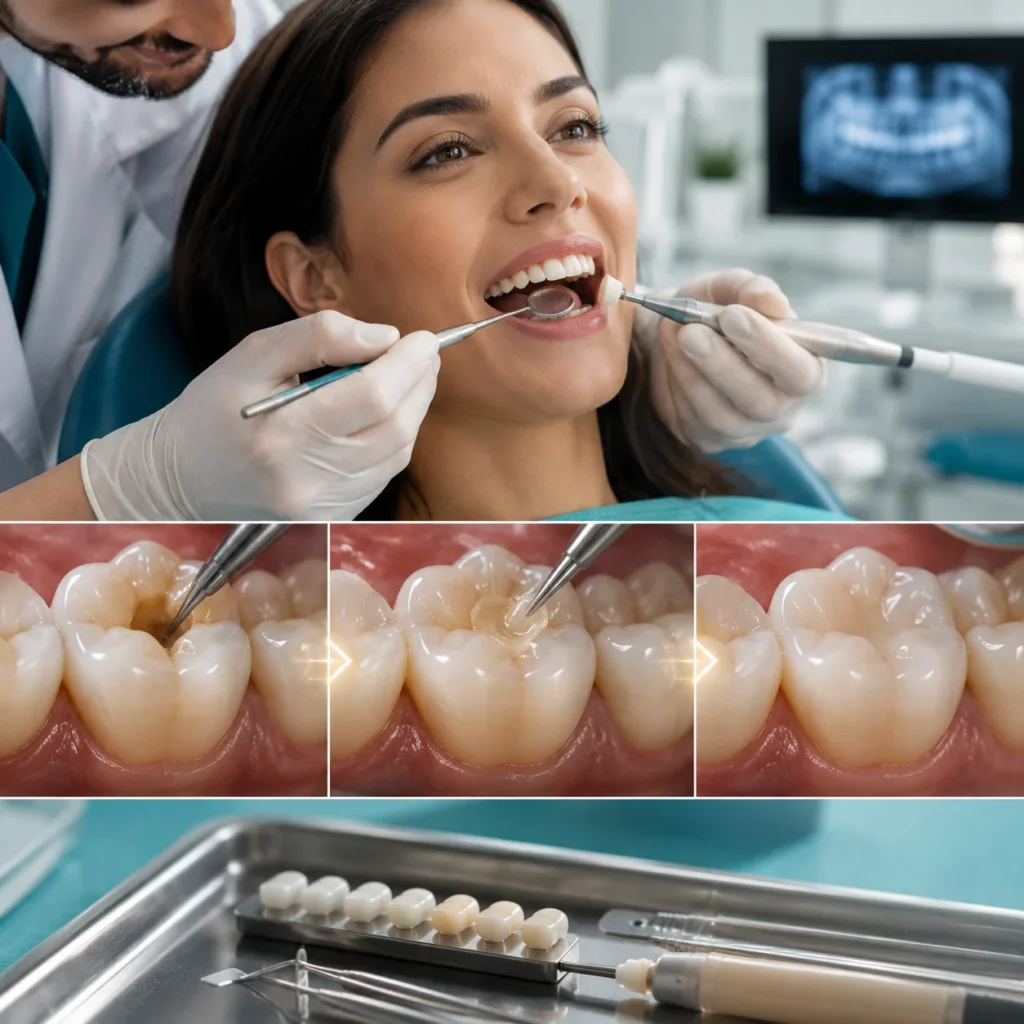
Tooth-Coloured Fillings for Natural Results
Modern dental fillings are designed to restore teeth while maintaining a natural appearance.
At Humber Dental, we commonly use Tooth-Coloured Fillings in Etobicoke that blend with your existing teeth, making restorations far less noticeable than traditional metal fillings.
Benefits of tooth-coloured fillings include:
- Natural appearance
- Strong bonding to the tooth
- Preservation of healthy tooth structure
- Mercury-free materials
- Comfortable chewing and function
These restorations are carefully matched to the shade of your natural teeth for a seamless result.
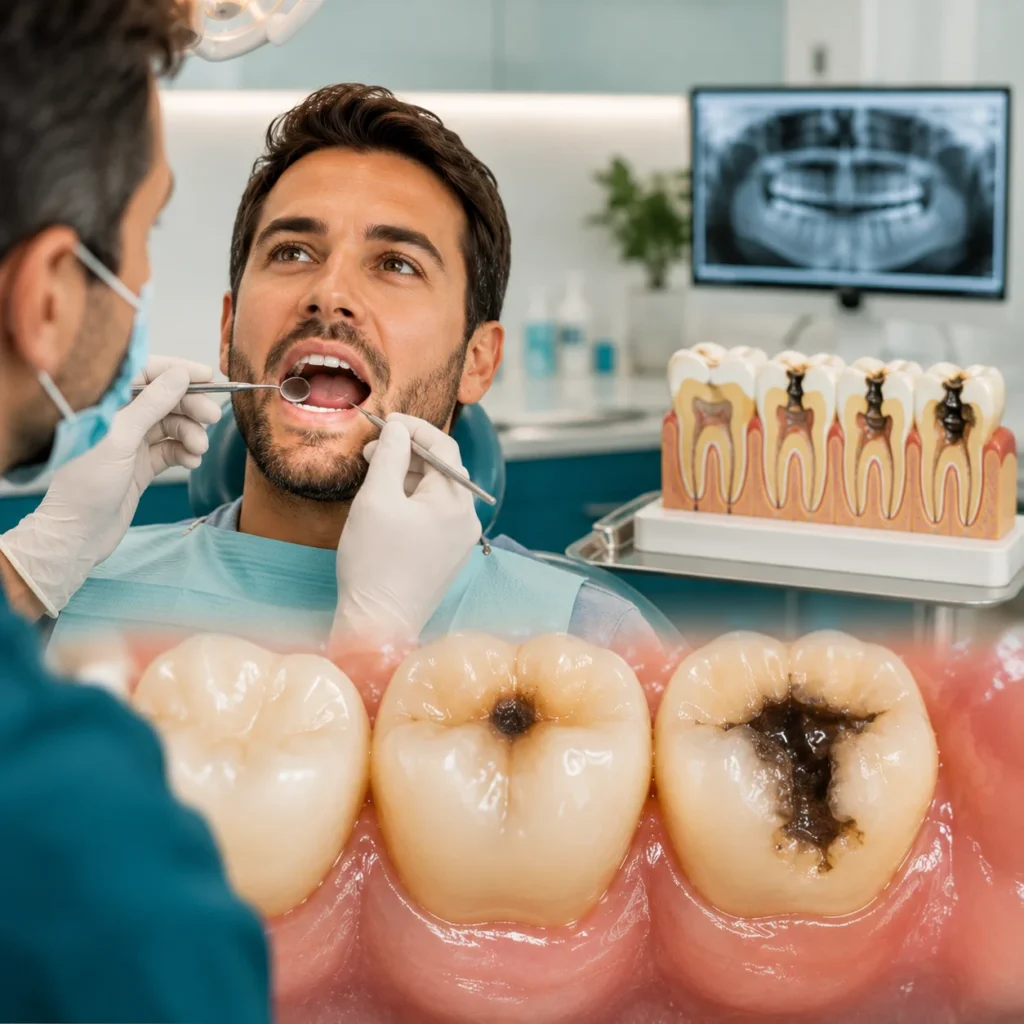
What Happens If a Cavity Is Left Untreated?
Ignoring a cavity rarely makes it go away. Instead, the decay continues to spread deeper into the tooth over time.
Untreated cavities may lead to:
- Increasing tooth pain
- Tooth sensitivity
- Infection of the dental pulp
- Dental abscess
- Broken or weakened teeth
- Root canal treatment
- Tooth extraction
Seeking Dental Decay Treatment early often allows for simpler, less invasive treatment and helps preserve your natural tooth.
Can Deep Cavities Still Be Treated?
Yes. Even if a cavity has progressed significantly, treatment options are often available.
Deep Cavity Treatment in Etobicoke depends on how much of the tooth has been affected.
Possible treatment options include:
- Larger tooth-coloured fillings
- Dental crowns
- Root canal therapy
- Tooth extraction when a tooth cannot be restored
Following a thor7ough examination, your dentist will recommend the most appropriate solution based on the condition of your tooth.
How Can I Prevent Future Cavities?
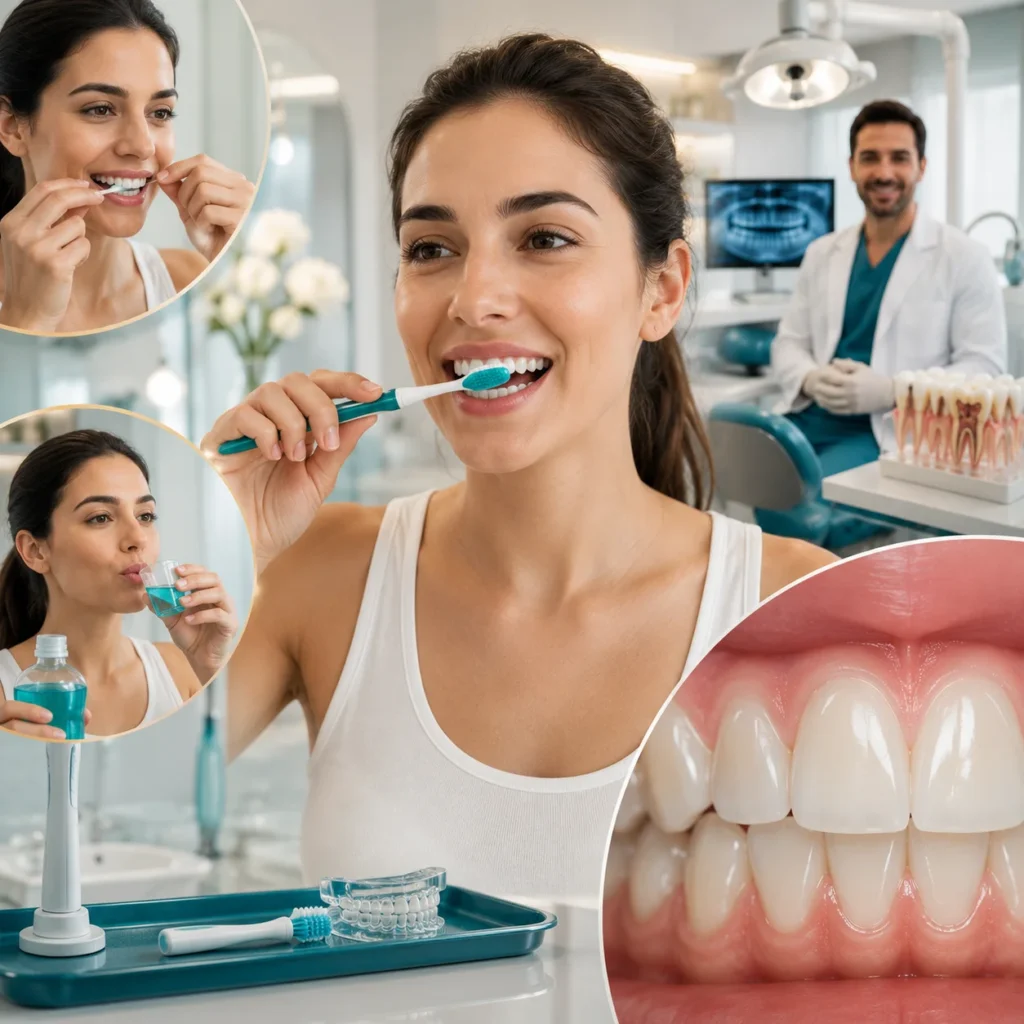
Preventing cavities starts with good daily oral hygiene and regular professional care.
Simple habits that help reduce cavity risk include:
- Brushing twice daily with fluoride toothpaste
- Flossing every day
- Limiting sugary snacks and drinks
- Drinking plenty of water
- Visiting your dentist regularly
- Receiving professional cleanings and fluoride treatments when recommended
Preventive care is often the most effective way to avoid more complex dental treatment in the future.
How Much Does Cavity Treatment Cost in Etobicoke?
The cost of Cavity Treatment in Etobicoke varies depending on several factors, including:
- The size of the cavity
- The number of teeth requiring treatment
- The type of restoration used
- Whether additional treatment is needed
- Your dental insurance coverage
After examining your tooth, our team will provide a personalized treatment plan and explain all expected costs before treatment begins.
Is Cavity Treatment Covered by Insurance?
Many dental insurance plans provide coverage for cavity treatment and dental fillings because they are considered restorative procedures.
Coverage depends on:
- Your insurance provider
- Your individual policy
- Annual coverage limits
- The type of restoration being placed
Our team is happy to help review your insurance benefits and explain your available coverage before treatment.


Why Choose Humber Dental for Cavity Treatment?
Patients trust Humber Dental because we focus on preserving natural teeth while providing comfortable, high-quality restorative care.
We offer:
- Comprehensive dental examinations
- Modern digital diagnostics
- Tooth-coloured dental fillings
- Gentle and patient-focused treatment
- Preventive and restorative dentistry
- Experienced dental professionals
- Convenient appointments in Etobicoke
Whether you need a small filling or treatment for a deeper cavity, our team is committed to helping you restore your oral health with personalized care.
Restore Your Tooth Before Decay Progresses
Treating a cavity early is one of the simplest ways to protect your natural tooth and avoid more extensive dental treatment later. Whether you’re experiencing sensitivity, discomfort, or have been told you need a filling, our team is here to help.
At Humber Dental, we provide gentle, personalized Cavity Treatment in Etobicoke using modern techniques and natural-looking restorations designed to keep your smile healthy for years to come.
FAQs About Cavity Treatment in Etobicoke
How much does cavity treatment cost in Etobicoke?
The cost depends on the size of the cavity, the number of teeth requiring treatment, the restoration used, and your insurance coverage. A consultation provides the most accurate estimate.
Is cavity treatment covered by insurance?
Many dental insurance plans include coverage for dental fillings and cavity treatment. Coverage varies depending on your provider and individual policy.
Can cavities heal on their own?
Once a cavity has created a hole in the tooth, it cannot heal naturally. Early treatment helps stop the decay from progressing and restores the tooth.
Are tooth-coloured fillings durable?
Yes. Modern composite fillings are strong, durable, and designed to withstand normal chewing forces while blending naturally with your teeth.
Does cavity treatment hurt?
Most cavity treatments are performed using local anesthesia to keep the area comfortable. Many patients experience little to no discomfort during the procedure.
How long does a dental filling last?
The lifespan of a filling depends on its size, location, oral hygiene habits, and biting forces. Regular dental checkups help monitor existing restorations.
How can I tell if I have a cavity?
Some cavities cause symptoms such as sensitivity, toothache, pain when chewing, or visible dark spots. However, many cavities develop without noticeable symptoms, making routine dental examinations essential.