
Don’t Let Wisdom Tooth Pain Get Worse
Protect Your Natural Smile with Prompt Loose Tooth Treatment in Etobicoke
A loose tooth shouldn’t be ignored. Our dentists provide prompt diagnosis and personalized treatment to stabilize your tooth, relieve discomfort, and protect your long-term oral health.
Emergency Dentistry
Tooth Stabilization
Gentle Care
Fast Diagnosis
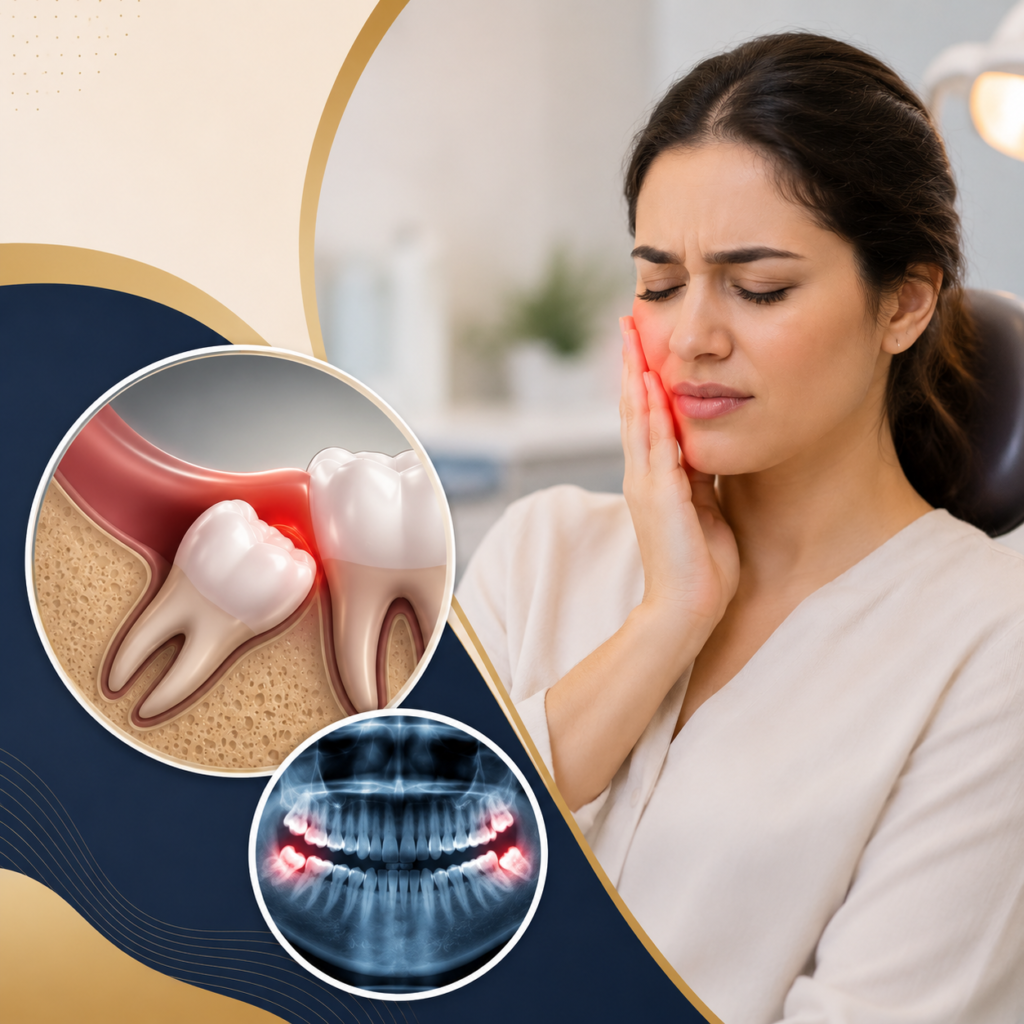
Loose Teeth Treatment in Etobicoke | Don't Ignore a Loose Tooth — Early Treatment Can Make a Difference
Adult teeth are designed to last a lifetime and should feel stable when you bite, chew, or speak. If you notice that one or more teeth feel loose or move when touched, it’s important to seek dental care as soon as possible.
A loose tooth is often a sign of an underlying problem affecting the supporting gums, bone, or tooth itself. In many cases, early diagnosis and treatment can help preserve the natural tooth and prevent further complications.
At Humber Dental, we provide personalized loose teeth treatment in Etobicoke by identifying the cause of tooth mobility and recommending the most appropriate treatment to restore your oral health. Whether your tooth has become loose due to gum disease, injury, or another condition, our team is here to help.
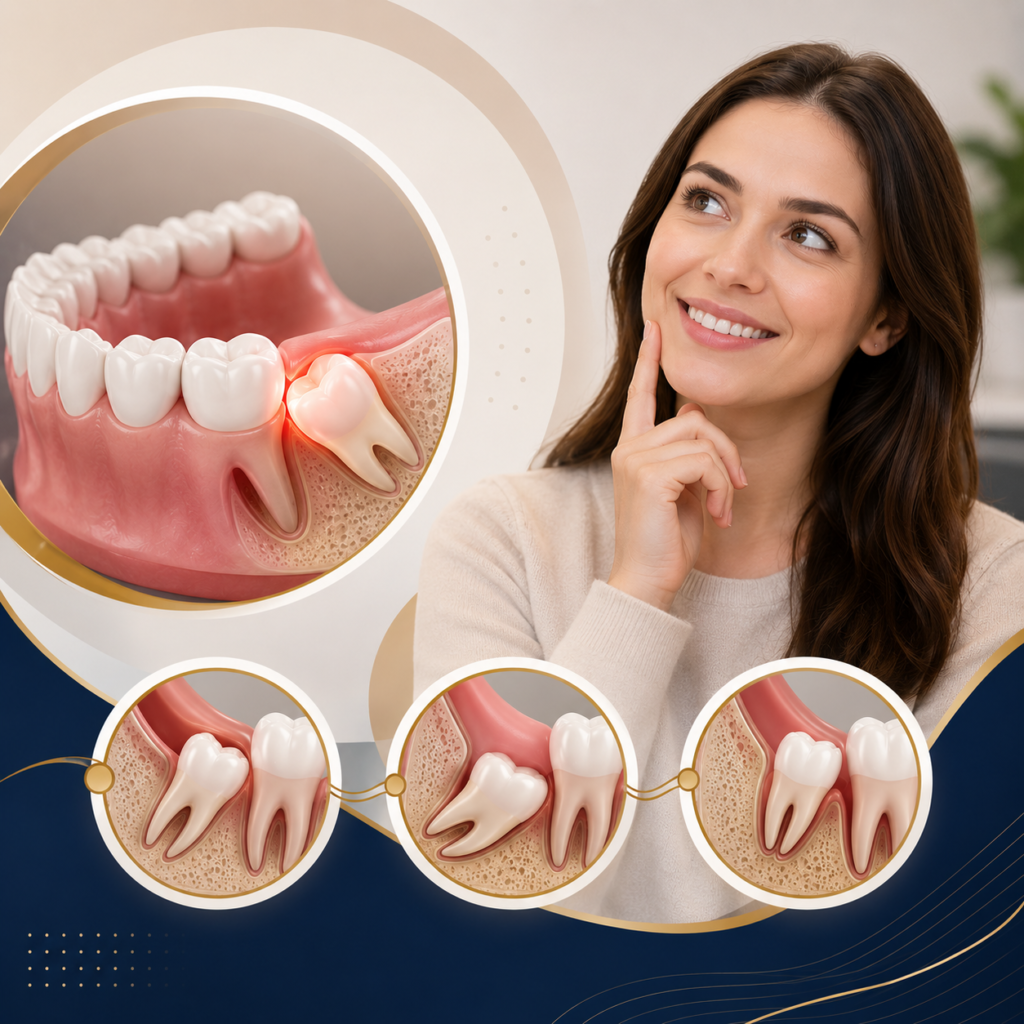
Why Is My Tooth Loose?
There are several reasons why an adult tooth may become loose.
Some causes develop gradually over time, while others occur suddenly following an injury.
Common causes include:
- Gum disease
- Bone loss around the tooth
- Dental trauma
- Teeth grinding or clenching
- Infection around the tooth
- Advanced tooth decay
- Bite problems that place excessive pressure on certain teeth
- Hormonal changes in some individuals
A thorough dental examination is essential to determine the exact cause and recommend the most appropriate treatment.
Gum Disease Is a Leading Cause of Loose Teeth
One of the most common causes of loose teeth in adults is gum disease.
As gum disease progresses, bacteria damage the gums and gradually destroy the bone that supports the teeth. Without sufficient bone support, teeth may begin to loosen over time.
One of the most common causes of loose teeth in adults is gum disease.
Signs that gum disease may be contributing include:
- Bleeding gums
- Swollen or tender gums
- Receding gums
- Persistent bad breath
- Spaces developing between teeth
- Loose teeth
Treating gum disease as early as possible can help slow its progression and protect your remaining bone and teeth.


Is a Loose Adult Tooth Normal?
Unlike baby teeth, adult teeth should never become loose under normal circumstances.
Even slight movement may indicate that the tissues supporting the tooth have been damaged or weakened.
If you notice:
- A tooth that shifts when you bite
- A tooth that wiggles when touched
- Discomfort while chewing
- Changes in the way your teeth fit together
It’s important to arrange a dental examination promptly.
Receiving loose tooth treatment in Etobicoke early may improve the chances of saving your natural tooth.
Can a Loose Tooth Be Saved?
One of the first questions patients ask is whether a loose tooth can be saved.
The answer depends on the underlying cause, how much support remains around the tooth, and how early treatment begins.
In many cases, a loose tooth can be stabilized if the problem is diagnosed before significant damage occurs.
Treatment is often more successful when you seek dental care soon after noticing the tooth has become loose.
The sooner the cause is addressed, the better the chances of preserving your natural tooth.
How Is a Loose Tooth Diagnosed?
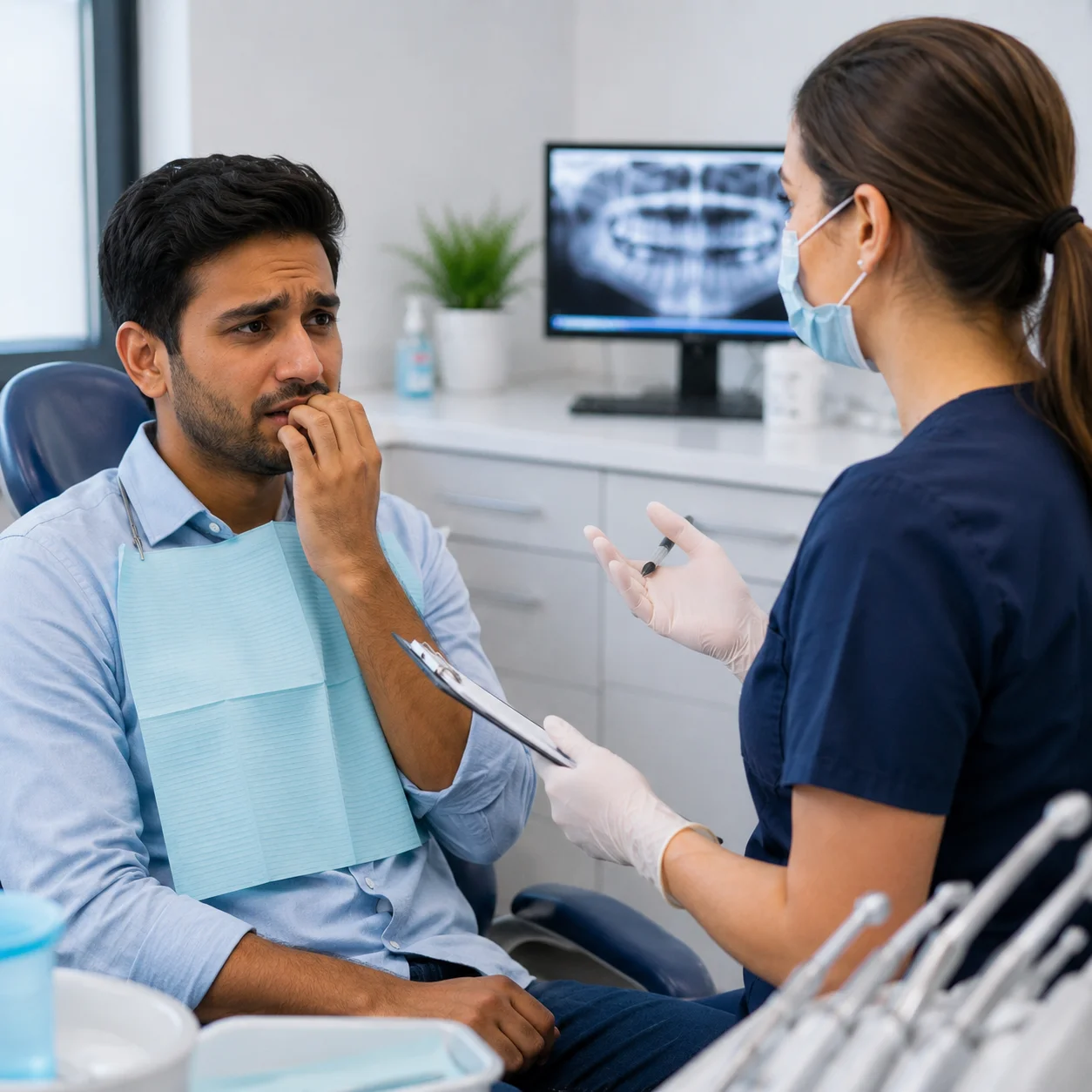
A thorough examination allows your dentist to determine why the tooth has become loose and what treatment will be most effective.
Your appointment may include :
- A comprehensive dental examination
- Digital X-rays
- Evaluation of the surrounding gums
- Measurement of periodontal pockets
- Bite analysis
- Assessment of bone support
- Examination for cracks or fractures
- Review of your dental and medical history
Once the cause has been identified, your dentist will explain your treatment options and develop a personalized care plan.
Treatment Options for Loose Teeth
The right treatment depends entirely on the cause of the tooth mobility. Every patient receives an individualized treatment plan based on their oral health and the severity of the condition.
Gum Disease Treatment
If gum disease is responsible for the loose tooth, treating the infection is the first priority.
Treatment may include :
- Professional dental cleaning
- Scaling and root planing
- Periodontal maintenance
- Improved home oral hygiene
- Regular follow-up appointments
Managing gum disease can help reduce inflammation and protect the remaining bone that supports your teeth.
Treating Infection or Tooth Damage
If an infection, severe decay, or dental trauma is responsible for the looseness, treatment may include :
- Tooth-coloured fillings
- Dental crowns
- Root canal treatment
- Repair of fractured teeth
Addressing the underlying problem often improves the long-term prognosis for the tooth.
Bite Adjustment
Sometimes excessive biting forces place repeated stress on a tooth, causing it to become mobile.
If your bite is contributing to the problem, your dentist may recommend minor bite adjustments to distribute pressure more evenly across your teeth.
Reducing excessive force may improve comfort and help prevent further damage.
Nightguard for Teeth Grinding
Grinding or clenching your teeth places tremendous pressure on your teeth and their supporting structures.
If bruxism is contributing to tooth mobility, a custom nightguard may be recommended to protect your teeth while you sleep.
A properly fitted nightguard can help reduce unnecessary stress on your teeth and support long-term oral health.
Splinting a Loose Tooth
In some situations, your dentist may stabilize a loose tooth by gently attaching it to neighbouring healthy teeth using a dental splint.
Splinting helps reduce movement while the supporting tissues heal and may improve comfort during eating and speaking.
Not every loose tooth requires splinting, but it can be an effective option in selected cases.
When Does a Loose Tooth Need to Be Removed?
Although preserving natural teeth is always our priority, extraction may sometimes be the healthiest option if the tooth cannot be saved.
Removal may be recommended when :
- Bone loss is extensive
- The tooth has severe structural damage
- Advanced gum disease has destroyed the supporting tissues
- A vertical root fracture is present
- Infection cannot be successfully treated
If extraction becomes necessary, your dentist will discuss tooth replacement options such as dental implants, bridges, or dentures to restore your smile and chewing function.
How Can You Prevent Loose Teeth?
Many causes of loose teeth can be prevented with consistent dental care and healthy daily habits.
We recommend :
- Brushing twice each day
- Flossing daily
- Attending routine dental checkups and cleanings
- Treating gum disease promptly
- Wearing a custom nightguard if you grind your teeth
- Avoiding tobacco products
- Eating a balanced diet that supports healthy teeth and gums
Preventive care plays an important role in protecting the gums and bone that support your natural teeth.
How Much Does Loose Teeth Treatment Cost in Etobicoke?
The cost of loose teeth treatment in Etobicoke depends on the underlying cause of the tooth mobility and the treatment required.
Factors that may affect the cost include :
- The severity of the condition
- Whether gum disease is present
- Diagnostic imaging
- Periodontal treatment
- Restorative procedures
- Your dental insurance coverage
Following your examination, we’ll provide a personalized treatment plan along with a clear explanation of the recommended treatment, expected outcomes, and associated costs.

Why Choose Humber Dental for Loose Teeth Treatment?
A loose tooth can be alarming, but prompt diagnosis and appropriate treatment can often help preserve your natural smile.
Patients choose Humber Dental because we provide :
- Comprehensive dental examinations
- Modern digital diagnostic technology
- Personalized treatment planning
- Periodontal care
- Restorative dentistry
- Gentle, patient-focused care
- Convenient appointments in Etobicoke
Our goal is to identify the cause of your loose tooth early and provide treatment that supports your long-term oral health.
Protect Your Natural Teeth with Early Care
A loose tooth is often a sign that your mouth needs professional attention. Seeking care early may improve the chances of saving your natural tooth and preventing more extensive treatment in the future.
At Humber Dental, we provide personalized loose teeth treatment in Etobicoke, combining accurate diagnosis with tailored treatment plans to restore stability, comfort, and confidence in your smile. If you’ve noticed a tooth becoming loose, don’t wait—our team is here to help.
Frequently Asked Questions About Loose Tooth in Etobicoke
Why is my tooth loose?
A loose tooth may be caused by gum disease, bone loss, dental trauma, teeth grinding, infection, or excessive biting forces. A dental examination is the best way to determine the exact cause.
Can a loose tooth be saved?
In many cases, yes. If the underlying problem is diagnosed and treated early, it may be possible to stabilize and preserve the tooth.
Is a loose adult tooth an emergency?
A loose adult tooth should be evaluated as soon as possible. While it may not always require emergency treatment, delaying care can increase the risk of further damage or tooth loss.
Can gum disease make teeth loose?
Yes. Advanced gum disease damages the bone and tissues supporting the teeth, which can eventually lead to tooth mobility if left untreated.
Will a loose tooth tighten on its own?
It depends on the cause. If the looseness is related to trauma or temporary inflammation, it may improve with appropriate care. However, persistent mobility should always be assessed by a dentist.
Can teeth grinding loosen teeth?
Yes. Chronic grinding or clenching can place excessive pressure on the teeth and supporting structures, contributing to tooth mobility over time.
What happens if a loose tooth cannot be saved?
If a tooth cannot be preserved, your dentist will discuss replacement options such as dental implants, bridges, or dentures to restore function, appearance, and oral health.