
Stop Jaw Pain Before It Gets Worse
Restore Your Smile Quickly with Expert
Cracked Tooth Treatment in Etobicoke
A cracked tooth requires prompt attention to prevent further damage. Our experienced team provides fast diagnosis and effective treatment to restore your tooth and relieve discomfort.
Same-Day Care
Tooth Repair
Pain Relief
Emergency Dentistry
Cracked Tooth Treatment in Etobicoke | Don't Ignore a Cracked Tooth Early Treatment Can Save Your Tooth
A cracked tooth may seem like a minor problem at first, but even a small crack can worsen over time if left untreated. Cracks can allow bacteria to enter the inner layers of the tooth, increasing the risk of pain, infection, and even tooth loss.
Whether you’ve chipped a front tooth, fractured a molar while chewing, or developed unexplained pain when biting down, prompt dental care can make all the difference.
At Humber Dental, we provide comprehensive cracked tooth treatment in Etobicoke, using advanced diagnostic techniques and personalized treatment plans to restore your tooth, relieve discomfort, and protect your long-term oral health.

What Is a Cracked Tooth?
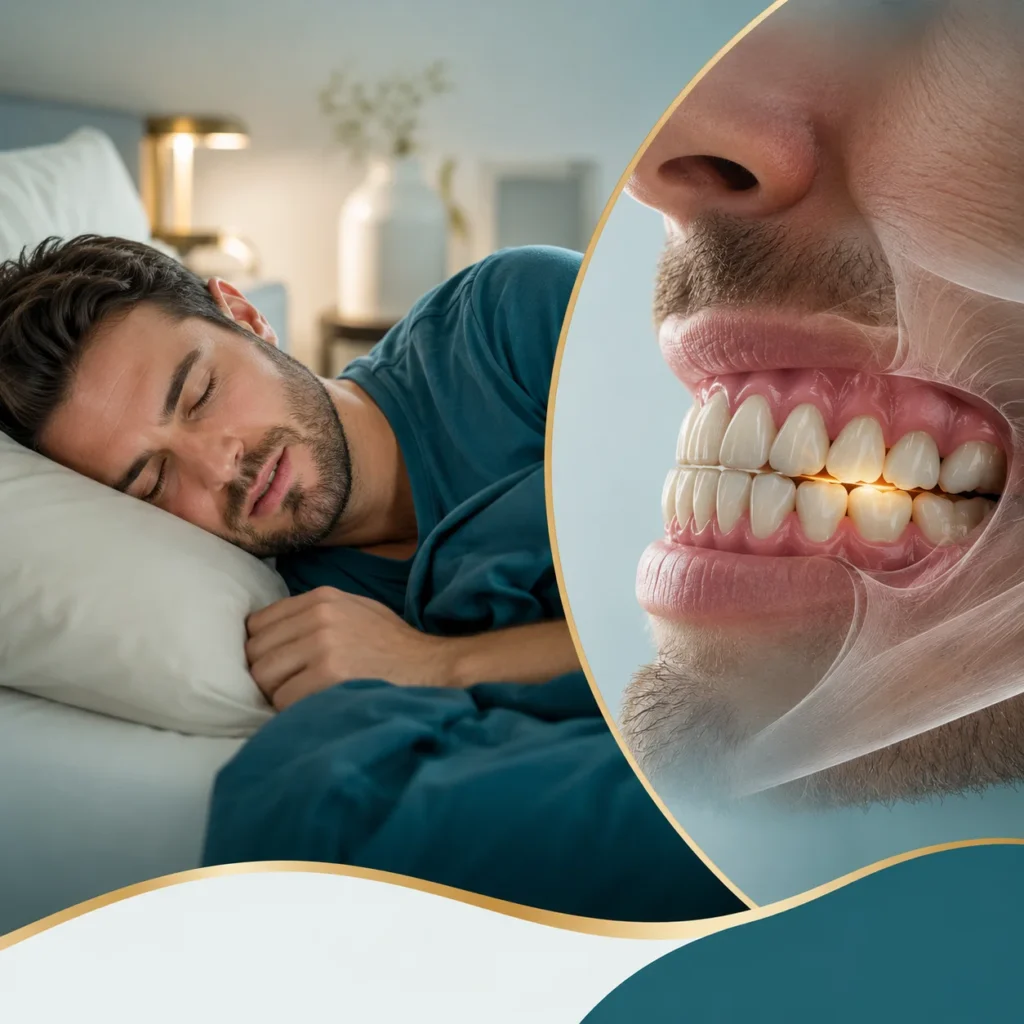
A cracked tooth is any break or fracture in the structure of a tooth. Some cracks are extremely small and affect only the enamel, while others extend deeper into the dentin or even the pulp, where the tooth’s nerves and blood vessels are located.
Not every crack causes pain immediately, but all cracks should be evaluated by a dentist to prevent further damage.
Receiving prompt cracked tooth repair in Etobicoke often allows the tooth to be preserved before the fracture becomes more severe.

What Causes a Cracked Tooth?
Teeth are incredibly strong, but they are not indestructible.
Common causes of cracked teeth include :
- Biting hard foods such as ice or popcorn kernels
- Teeth grinding or clenching
- Sports injuries
- Falls or accidents
- Large existing fillings
- Sudden temperature changes from very hot and cold foods
- Age-related wear and tear
Sometimes a crack develops gradually over many years rather than from a single injury.
Understanding the cause helps us recommend the most appropriate treatment while reducing the risk of future damage.
What Are the Symptoms of a Cracked Tooth?
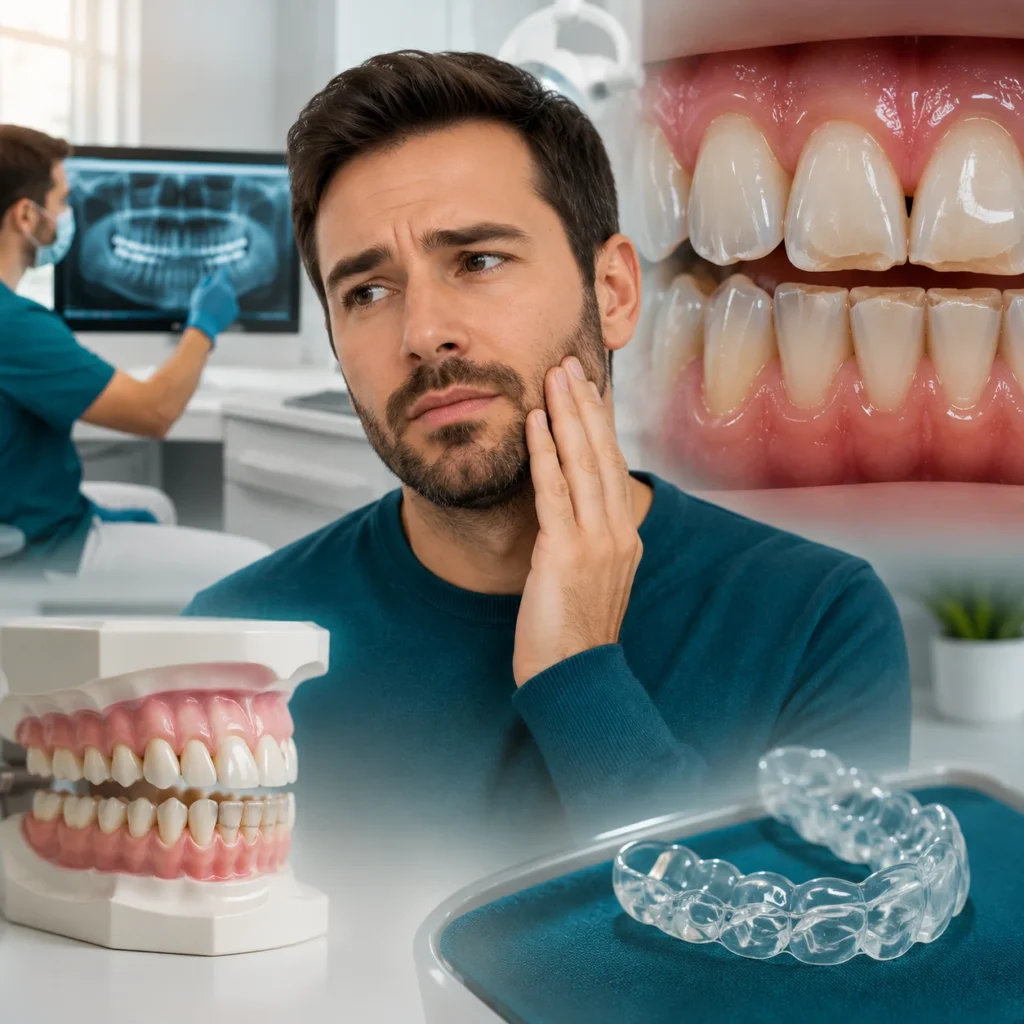
The symptoms of a cracked tooth can vary depending on the size and location of the fracture. Some patients experience severe pain immediately, while others notice only occasional discomfort.
Common symptoms include:
- Pain when biting or chewing
- Sharp pain when releasing pressure after biting
- Sensitivity to hot or cold foods and drinks
- Sensitivity to sweet foods
- Swelling around the affected tooth
- A rough or sharp edge on the tooth
- Pain that comes and goes without an obvious cause
Because these symptoms may also occur with other dental conditions, a professional examination is essential to determine the exact cause.
If you’re experiencing any of these signs, seek cracked tooth pain relief as soon as possible to prevent further damage.
Types of Tooth Cracks
Not every crack requires the same treatment. During your examination, we’ll identify the type of fracture affecting your tooth.
Common types include :
These are tiny, superficial cracks that affect only the enamel. They are common in adults and usually do not require treatment unless they affect appearance.
A small portion of the tooth may break away, often around an existing filling. This type of crack usually does not affect the tooth's nerve and can often be repaired with a crown or filling.
A crack extends deeper into the tooth but has not completely separated it into two pieces. Early treatment improves the chances of saving the tooth.
If a crack progresses untreated, the tooth may split into separate sections. Depending on the extent of the damage, extraction may become necessary.
These cracks begin in the root and extend upward. They often produce few symptoms until infection develops and frequently require more complex treatment.
Identifying the type of fracture allows us to recommend the most effective tooth fracture treatment in Etobicoke.
How Is a Cracked Tooth Diagnosed?
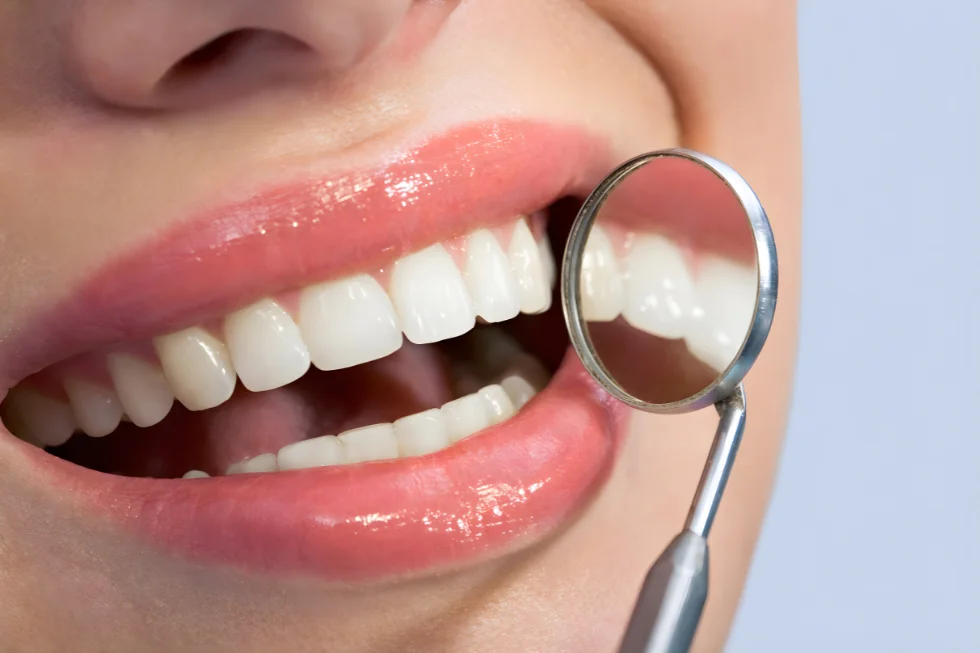
Some cracks are clearly visible, while others are extremely difficult to detect.
Your dentist may use several diagnostic methods, including :
- A comprehensive visual examination
- Dental magnification and special lighting
- Bite tests to identify painful pressure points
- Digital X-rays
- Evaluation of tooth sensitivity
- Examination of surrounding gums
Because some cracks cannot be seen on standard X-rays, your symptoms and clinical examination are often just as important as diagnostic imaging.
Treatment Options for a Cracked Tooth
The best treatment depends on the size of the crack, its location, and whether the inner pulp has been affected.
Our goal is always to preserve your natural tooth whenever possible.
Small chips or minor enamel cracks may be repaired using tooth-coloured composite resin. Bonding restores the tooth's appearance while protecting the damaged area from further wear. Bonding is commonly used for minor chipped tooth repair in Etobicoke, especially on front teeth.
For larger cracks, a dental crown often provides the best long-term protection.
A custom-made crown covers the entire tooth, restoring its strength while preventing the crack from spreading further.
Crowns are commonly recommended for:
1. Large fractures
2. Weakened teeth
3. Teeth with extensive fillings
4. Cracked molars subjected to heavy chewing forces
Modern ceramic crowns are carefully matched to your natural teeth for a seamless appearance.
If the crack reaches the pulp and causes inflammation or infection, root canal treatment may be necessary. During the procedure, the infected tissue inside the tooth is removed, the canals are cleaned and sealed, and the tooth is usually restored with a crown. Prompt treatment often allows the tooth to be preserved while eliminating pain.
Unfortunately, some severely fractured teeth cannot be repaired.
If the crack extends too far below the gum line or the tooth has split completely, extraction may be the safest option.
If extraction becomes necessary, we'll discuss tooth replacement options such as:
1. Dental implants
2. Dental bridges
3. Partial dentures
Our goal is always to restore both your oral health and your smile.
What Should You Do Before Seeing the Dentist?
If you suspect you’ve cracked a tooth:
- Avoid chewing on the affected side.
- Rinse your mouth gently with warm water.
- Avoid very hot, cold, or hard foods.
- If swelling develops, apply a cold compress to the outside of your face.
- Contact your dentist as soon as possible for an evaluation.
Even if the pain is mild, delaying treatment may allow the crack to worsen and reduce the chances of saving the tooth.
Can a Cracked Tooth Heal on Its Own?
Unlike bones, teeth cannot heal themselves once they have cracked.
While the pain may come and go, the crack remains and can gradually worsen with everyday chewing and biting.
Without professional treatment, a cracked tooth may:
- Become larger over time
- Allow bacteria to enter the tooth
- Lead to infection
- Cause increasing pain
- Require more extensive treatment
- Eventually become impossible to save
Seeking prompt broken tooth repair in Etobicoke gives your dentist the best opportunity to preserve your natural tooth.
Can a Cracked Tooth Be Prevented?
Although accidents can’t always be avoided, there are several ways to reduce your risk of developing cracked teeth.
Helpful preventive measures include:
- Wearing a mouthguard during contact sports
- Using a custom nightguard if you grind your teeth
- Avoiding chewing ice, hard candies, and popcorn kernels
- Not using your teeth to open packages
- Attending regular dental examinations
- Repairing worn fillings before they weaken the tooth
- Treating bite problems that place excessive pressure on certain teeth
Preventive care helps protect your teeth from unnecessary damage and may reduce the need for emergency dental treatment.
How Much Does Cracked Tooth Treatment Cost in Etobicoke?
The cost of treatment depends on the extent of the crack and the procedure required to restore your tooth.
Factors that influence treatment costs include :
- The severity of the fracture
- Which tooth is affected
- Whether a filling, crown, or root canal is needed
- Whether emergency care is required
- Your dental insurance coverage
After examining your tooth, we’ll explain your treatment options and provide a detailed estimate before any treatment begins.
Our team believes in transparent pricing so you can make informed decisions with confidence.

Is Emergency Cracked Tooth Treatment Covered by Insurance?
Many dental insurance plans provide coverage for medically necessary treatment to repair cracked or broken teeth.
Coverage depends on :
- Your individual insurance policy
- The treatment required
- Annual benefit limits
- Deductibles and co-payments
Our team will gladly help you understand your benefits and assist with insurance claims whenever possible.
Why Choose Humber Dental?
If you’re looking for a trusted cracked tooth dentist in Etobicoke, you deserve prompt care from a team focused on preserving your natural smile.
Patients choose Humber Dental because we offer:
- Same-day emergency appointments whenever possible
- Comprehensive dental examinations
- Advanced digital diagnostic technology
- Conservative treatment focused on saving natural teeth
- High-quality crowns and restorations
- Experienced, compassionate dental professionals
- Personalized treatment plans
- A comfortable, patient-centred environment
Whether you’ve experienced a minor chip or a significant fracture, we’re committed to restoring your smile with timely, effective care.
Prompt Treatment
Can Save Your Tooth
A cracked tooth may seem minor today, but waiting can allow the damage to progress and increase the risk of pain, infection, or tooth loss. Early diagnosis and timely treatment offer the best chance of preserving your natural tooth and restoring your oral health.
At Humber Dental, we proudly provide cracked tooth treatment in Etobicoke, offering prompt diagnosis, personalized care, and modern restorative solutions for chipped, cracked, and broken teeth. If you’ve noticed pain when biting or suspect you’ve damaged a tooth, don’t wait, schedule your appointment today and let our experienced team help restore your smile.
FAQs About Cracked Tooth Treatment in Etobicoke

How much does cracked tooth treatment cost in Etobicoke?
The cost depends on the location and severity of the crack, along with the treatment required. Following your examination, we’ll provide a personalized treatment plan and a detailed cost estimate.
Is emergency cracked tooth treatment covered by insurance?
Many dental insurance plans provide partial coverage for restorative treatment that is considered medically necessary. Coverage varies by provider and policy.
Can a cracked tooth heal without treatment?
No. Teeth cannot heal themselves after cracking. Prompt dental treatment helps prevent the crack from worsening and improves the chances of saving the tooth.
Is a cracked tooth considered a dental emergency?
A cracked tooth should be evaluated as soon as possible, particularly if you experience pain, swelling, sensitivity, or difficulty chewing. Early treatment often prevents more serious complications.
What's the difference between a chipped tooth and a cracked tooth?
A chipped tooth usually involves a small piece of enamel breaking away, often affecting appearance more than function. A cracked tooth involves a fracture that extends into the tooth and may cause pain or compromise its strength.
Will I always need a crown for a cracked tooth?
Not necessarily. Minor cracks may be treated with dental bonding or a filling, while larger fractures often require a crown to restore strength and prevent the crack from spreading. Your dentist will recommend the most appropriate treatment based on your individual case.
Can a cracked tooth lead to infection?
Yes. If the crack allows bacteria to reach the inner pulp, an infection may develop. This can result in pain, swelling, and the need for root canal treatment or, in severe cases, tooth extraction.